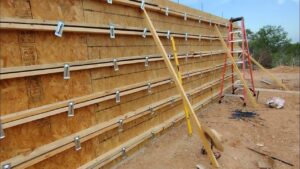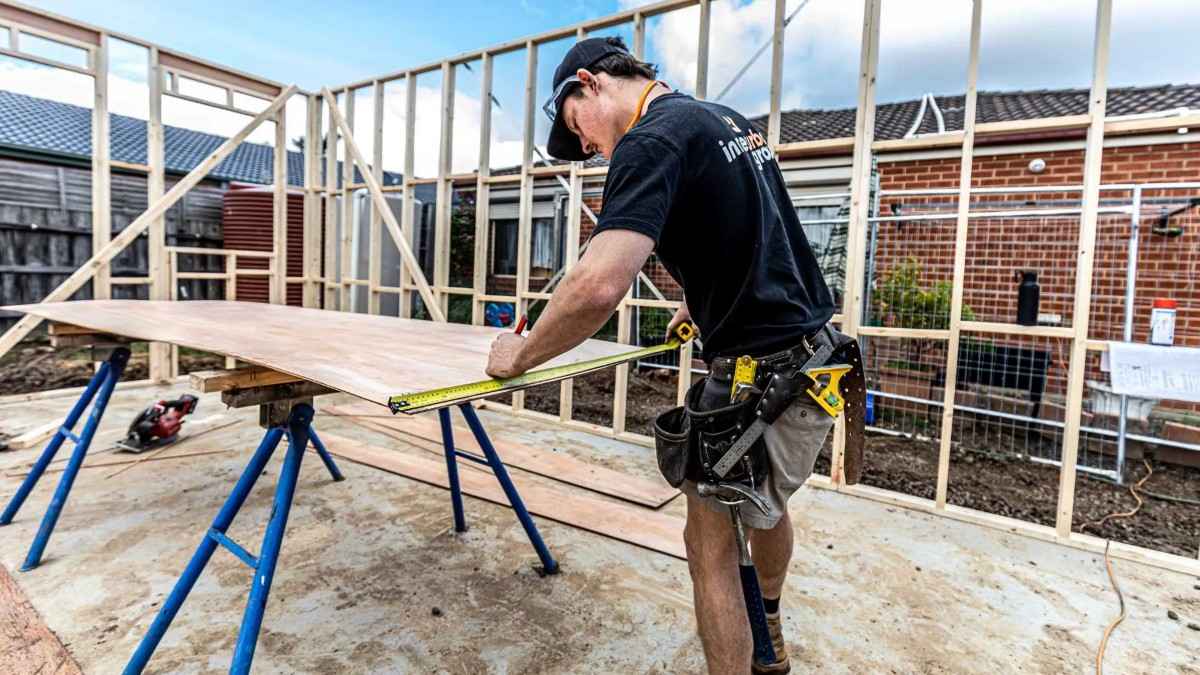
What exactly will the formwork be used for on this project?
They should match the product to the task before they buy formwork LVL. Suspended slabs, edge formwork, beams, and temporary bracing can all place different demands on LVL, and a one size fits all approach often leads to overbuying or underperforming materials.
If they can describe the load path and the purpose of each member, it becomes much easier to confirm the right depth, length, and grade.
Who has specified the size and grade, and is it documented?
They should not rely on verbal advice when purchasing formwork LVL. The safest approach is to have sizes, spans, centres, and grade requirements written into drawings, a formwork design, or the builder’s documented schedule.
If it is unclear who is responsible for the call, homeowners can end up paying twice: once for the wrong product, and again for replacements that meet the engineer’s expectation.
Does the LVL meet Australian standards and compliance requirements?
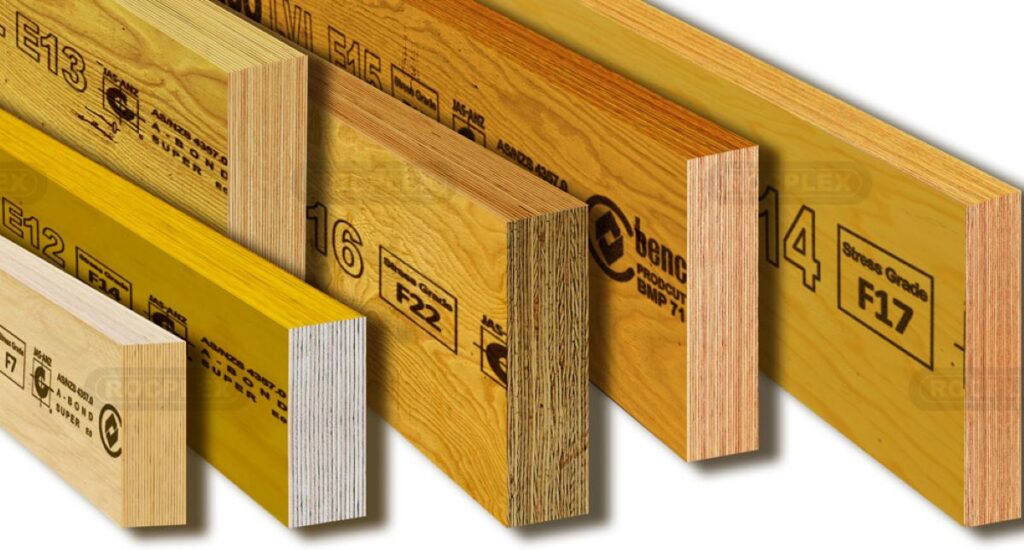
They should ask for evidence that the formwork LVL is manufactured and supplied in line with Australian expectations, including traceability and product identification. Even for temporary works, sites often require clear markings, consistent supply, and documentation that supports the project’s safety system.
If they are unsure what paperwork is normal, they can ask the builder or site supervisor what the site induction and inspection process will expect to see.
Is the LVL suitable for the site’s weather and exposure conditions?
They should consider rain, heat, and storage time before choosing formwork LVL. In places like South East Queensland, the Northern Rivers region, and coastal New South Wales, sudden weather changes can soak stored materials fast. In Melbourne and regional Victoria, repeated wet days can turn poor storage into swelling, delamination, or mould.
If LVL must sit on site for weeks, they should confirm storage rules and whether protective wrap, stickers, or tarps are needed.
What load capacities are required, and how will they be checked on site?
They should treat load capacity as a design issue, not a guess, when selecting formwork LVL. Concrete pressure, pour rate, prop spacing, and span lengths all change what the LVL must handle, and small changes on site can dramatically alter risk.
They should ask who is checking spacing and installation before the pour, and whether the builder expects a formwork inspection or sign off as part of their workflow.
How will they handle cutting, drilling, and edge protection without weakening it?
They should ask what modifications are allowed before they buy formwork LVL. Unplanned notching, oversized holes, or aggressive trimming can reduce capacity, especially if the member was already near its limit.
They should also ask how exposed edges will be protected from water during the build, and whether sealing cut ends is expected for the project’s conditions and storage duration.
Are they buying new, re used, or mixed stock, and what condition is acceptable?
They should confirm whether the supplier is providing new lengths, re used lengths, or a mix, because the condition matters for formwork LVL. Re used stock can be perfectly serviceable, but it needs consistent straightness, minimal damage, and predictable performance.
They should ask how the supplier grades re used lengths, what defects are considered unacceptable, and whether they can reject pieces on delivery if they do not meet the agreed condition.
What is the total installed cost, not just the per metre price?
They should compare the real cost of formwork LVL, not only the line item rate. Delivery fees, minimum order quantities, lifting needs, on site handling, waste, and returns can shift the final spend more than homeowners expect.
They should also ask whether the supplier offers take back on unused lengths, whether there are restocking fees, and how quickly credits are processed if a project changes mid build.
Can the supplier deliver on time, in full, and to the right access conditions?
They should stress test logistics before committing to formwork LVL. A tight suburban block in Sydney’s Inner West or a sloping site in Perth’s hills can make delivery timing and truck access a real constraint.
They should ask what truck type is used, whether offloading is included, what notice period is required, and what happens if rain, traffic, or site access prevents the scheduled drop.
What is the plan for safe handling, installation, and removal?
They should confirm the handling plan for formwork LVL early, because safety and efficiency are linked. LVL lengths can be heavy and awkward, and poor manual handling creates injury risk and slows the build.
They should ask who is responsible for bracing, propping, fixing methods, and strip timing. If the builder is using subcontract formworkers, homeowners can ask how the builder checks competency and supervises temporary works.
What should homeowners take away before they buy?
They should treat formwork LVL like a critical input, not a commodity. When they ask about purpose, specification, compliance, exposure, capacity, modifications, condition, total cost, delivery, and safe installation, they reduce the chance of expensive rework.
If they want one simple rule, it is this: they should only buy formwork LVL that matches a documented requirement and a realistic on site plan for storage, handling, and inspection.
More to Read : Comparing Formply Options for Homeowners Renovating or Building