What is formply, and why do Australian homeowners use it?
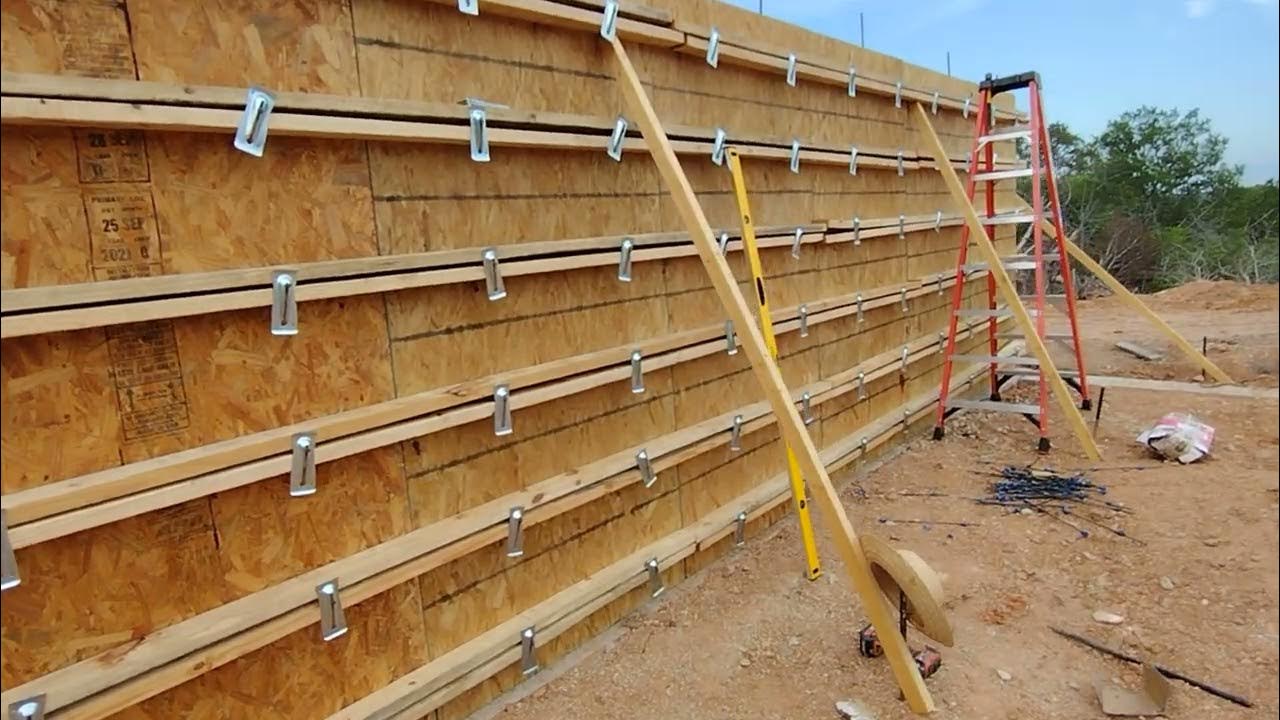
Formply is a structural plywood with a resin-impregnated film face, commonly used for concrete formwork and other tough site applications. Australian homeowners use it because it is strong, durable, and handles wet, messy conditions better than standard ply.
When comparing Formply options, the key is to match the sheet grade and thickness to the work being done, not just the price.
How do they choose the right formply thickness for a renovation or build?
They choose thickness based on span, load, and how stiff the sheet needs to be on site. For light temporary uses, thinner sheets can work, but structural or repeated use typically calls for thicker panels.
When comparing Formply options, they should ask the supplier what thickness is common for their intended use in Australian conditions, then confirm it suits the framing or support spacing.
What does “F-grade” mean, and why does it matter?
F-grade is a structural rating that indicates the plywood’s strength and stiffness. It matters because it helps predict how the sheet performs under load, especially where deflection could cause issues.
While comparing Formply options, they should look for a grade that aligns with the task, since using an under-specced panel can lead to movement, poor results, or wasted labour.
Which formply surface finishes are they actually comparing?
Most formply has a smooth film face designed to release from concrete and resist moisture. Some sheets also have textured or slip-resistant surfaces, which can be handy for temporary flooring or ramps.
In comparing Formply options, the face type matters because it affects grip, appearance, and how well it sheds dirt and water on an Australian job site.
How do edge sealing and waterproofing affect performance?
Edge sealing reduces water ingress into the sheet, which helps limit swelling and delamination. This matters more in exposed outdoor work or where sheets will be reused.
When comparing Formply options, they should inspect edges for consistent sealing and consider re-sealing cut edges, particularly in coastal areas like Brisbane, Newcastle, or Perth where humidity and salt air can be harsher.
Are all formply sheets compliant with Australian standards?
Not all sheets are equal, and the safest approach is to buy from reputable Australian timber merchants and request product documentation. Compliance and traceability help ensure they are getting what the label implies.
During comparing Formply options, they should ask about relevant Australian Standards and intended structural use, especially if a builder is relying on it for a specific application.
How does formply differ from general structural plywood?
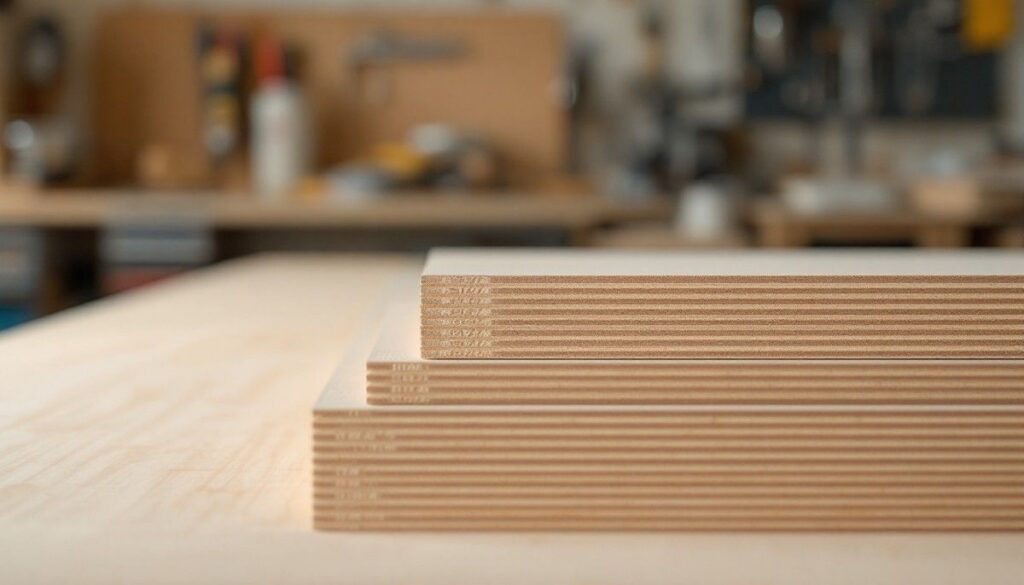
Formply is built for wet concrete contact and repeated handling, with a durable film face that protects the veneer layers. Structural plywood may be strong, but it does not always have the same protective overlay.
If they are comparing Formply options against regular ply for a build, formply usually wins for abuse resistance, but general structural ply can be better suited to internal linings where a film face is not wanted.
Which brands or sources should they consider in Australia?
They should prioritise well-known Australian suppliers and established merchants, because storage, turnover, and consistency often matter as much as the label. Poor storage can warp sheets before they even get to site.
When comparing Formply options, they should also consider whether the supplier can provide matching sheets across multiple pickups, which is useful for staged renovations in Sydney, Melbourne, or Adelaide.
What should they check in-store before buying sheets?
They should check for flatness, consistent thickness, clean film faces, and intact edges. They should also look for face damage, bubbling, or veneer voids on cut edges that could indicate lower quality.
While comparing Formply options, they can sight down a sheet to spot bowing and pick from the middle of the pack where damage is less likely from forklifts and handling.
How do they compare cost without missing the real value?
They should compare the cost per sheet alongside expected lifespan and suitability, not just the ticket price. A cheaper sheet that swells, chips, or fails early can cost more in time, waste, and rework.
In comparing Formply options, they should factor in delivery, handling, and whether they need to buy extra to account for defects, especially when working to a tight schedule.
Can formply be reused, and what affects the number of reuses?
Yes, formply can often be reused, especially if it is kept clean, stored flat, and handled carefully. Reuse depends on face durability, edge sealing, how it is fastened, and exposure to weather.
When comparing Formply options, they should consider whether they want a sheet for one messy pour or a panel they can reuse for future landscaping, retaining edges, or shed upgrades. Check out more about Landscape design guide – NSW Planning Portal.
Is formply a good choice for non-formwork jobs around the home?
It can be, but it depends on aesthetics and exposure. The film face is practical but not always the look they want for visible joinery or interiors.
If they are comparing Formply options for home uses like temporary floors, work benches, ramps, or outdoor projects, they should confirm slip resistance, UV exposure limits, and whether the surface will be painted or left as-is.
What are the common mistakes homeowners make when choosing formply?
A common mistake is buying based on price alone and ending up with sheets that warp, delaminate, or do not suit the job. Another is ignoring edge treatment after cutting, which invites moisture into the panel.
During comparing Formply options, they should also avoid mixing sheet types in one application where consistent thickness and stiffness matter, since uneven performance can create headaches for tradies.
How should they decide which option is “best” for their project?
The best option is the one that matches the task, meets expected durability, and is easy to source again if they need more later. For many homeowners, that means choosing a reputable sheet with solid edge sealing and a suitable structural grade.
When comparing Formply options, they should list the job requirements first, then buy the sheet that meets them with the least compromise, rather than trying to force a bargain product into a demanding use.
What is a simple buying checklist they can follow?
They can keep it simple: confirm the intended use, choose the right thickness, verify the structural rating, inspect flatness, check edge sealing, and buy from a reliable Australian supplier. They should also plan transport and storage so sheets stay flat and dry.
For homeowners comparing Formply options, this checklist helps reduce waste and keeps renovations and new builds moving without avoidable delays.
Related : 10 Questions Homeowners Renovating or Building Should Ask Before Buying Formwork LVL