Hiring wood chip mulch sounds simple, but it can go wrong fast if the load is poor quality, the chip size is wrong, or the supplier cannot deliver when promised. In Australia, the right questions help households, strata managers, landscapers, and rural property owners avoid wasted money and messy outcomes.
This guide covers five practical questions to ask before booking a delivery, with clear checks they can use on the phone, by email, or on-site.
What exactly are they supplying as wood chip mulch?
They should clearly describe the wood chip mulch source, species mix, and whether it is arborist chip, recycled green waste, plantation pine, or a blended product. If they cannot explain what is in the load, it is a risk for weeds, pests, and poor performance.
In Australia, they should also confirm it is free of treated timber, painted wood, pallets, MDF, or construction waste. If the site is sensitive, they can ask for photos of recent loads and a written description on the invoice.
Is the chip size and texture right for the job they have in mind?
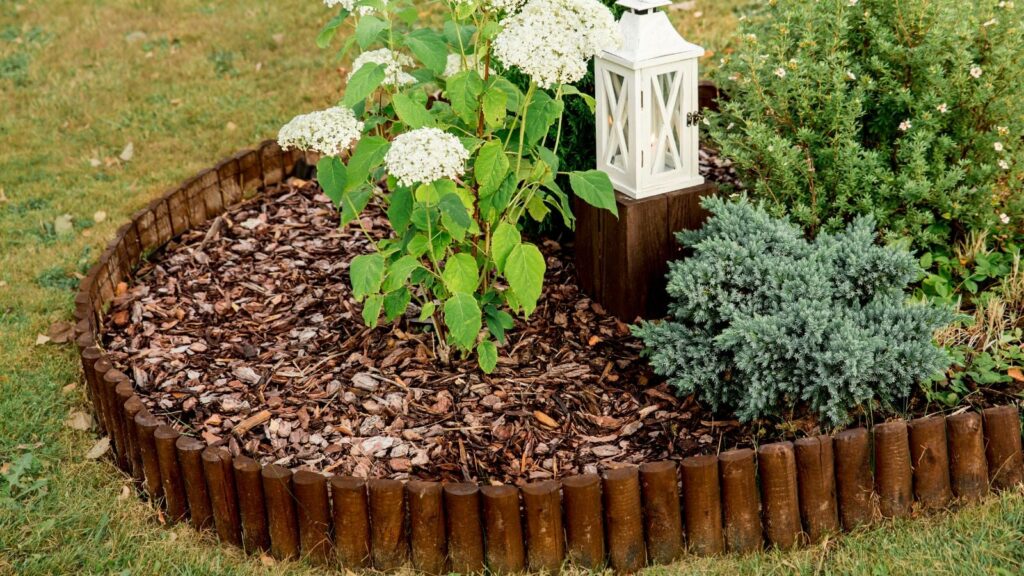
They should match chip size to use, because fine chip can matt down, while oversized chip can shift and look messy on smaller beds. The supplier should be able to nominate a rough range and show a sample, not just say “standard”.
For wood chip mulch around trees, many Australian gardeners prefer a medium, chunky texture that locks together and resists blowing. For paths, they may want a more uniform chip that compacts underfoot, especially in shaded, damp areas.
Has the wood chip mulch been aged, and how “fresh” is it?
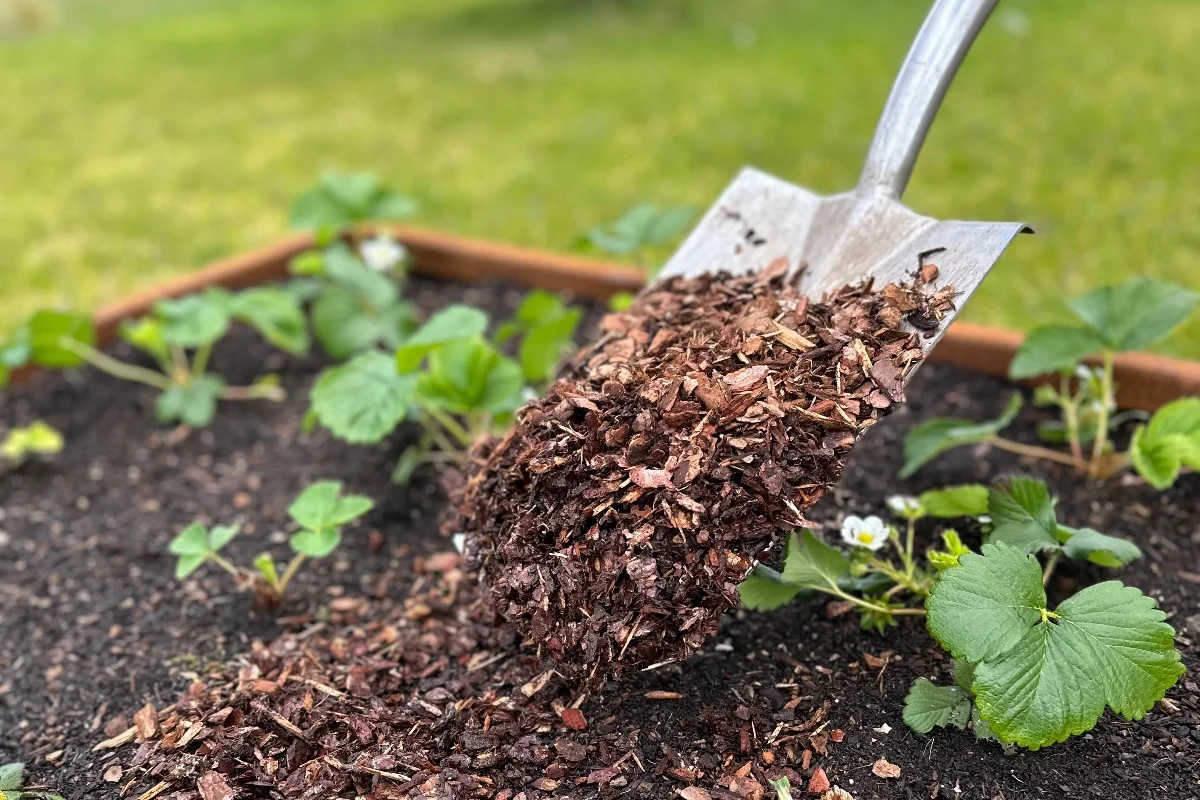
Fresh chip can be fine, but they should understand the trade-offs before choosing it. Very fresh material can heat up in piles, smell, or temporarily tie up nitrogen at the surface as it breaks down.
If they want a cleaner finish and steadier breakdown, they can ask for aged wood chip mulch and how long it has been stored. In hot Australian summers, storage and moisture matter, so they should also ask how the pile is managed to avoid sour, anaerobic conditions.
How much wood chip mulch do they actually need, and how will it be delivered?
They should confirm volumes in cubic metres, typical truck capacity, and whether the supplier does split loads. A quick rule many contractors use is: volume (m³) = area (m²) × depth (m), but the supplier should sanity-check the order.
They should also ask where the truck can tip, how much access is required, and whether the driver can reverse into driveways or narrow laneways. For wood chip mulch deliveries in metro areas like Sydney, Melbourne, Brisbane, Perth, and Adelaide, access and council parking restrictions can decide whether the delivery is smooth or stressful.
What risks come with contamination, weeds, and termites, and how do they manage them?
They should ask directly about contamination controls, because mixed green waste can carry weeds or odd debris if sorting is poor. A good supplier will explain screening, sourcing, and how they handle complaints if a load is not acceptable.
They should also ask practical termite questions relevant to Australian conditions. Wood chip mulch should not be placed against timber cladding, weep holes, or structural timbers, and they should maintain a visible inspection zone near buildings. If they are unsure, they can check local advice or speak to a licensed pest manager before spreading mulch near the house.
A quick checklist they can copy before booking
- Confirm the product description for wood chip mulch in writing
- Ask for chip size guidance and a sample photo
- Ask whether it is fresh or aged, and how it is stored
- Confirm volume, truck size, tip location, and access needs
- Ask about contamination controls and placement near structures
When they ask these five questions, wood chip mulch becomes a predictable, low-drama upgrade rather than a gamble. In most Australian gardens and landscapes, the difference between an average result and a great one is simply choosing the right wood chip mulch and getting the delivery details right up front.