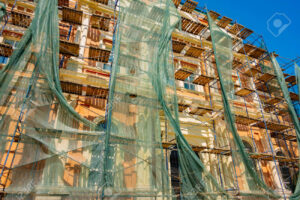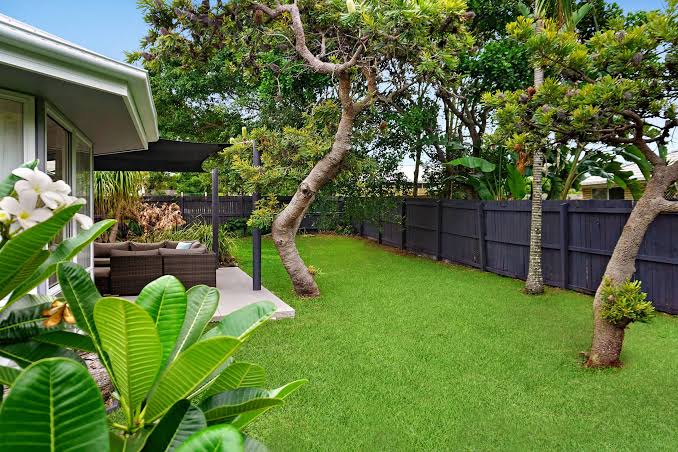
Renovating or building on Sydney’s North Shore often means dealing with trees, neighbours, and tight site access all at once. The smartest move is to plan early for tree service North Shore, so the project stays safe, compliant, and on schedule.
From protecting retained trees to removing hazards near new works, the right approach to tree service North Shore can prevent expensive delays and avoidable disputes.
What counts as “tree service” during a renovation or build?
Tree service covers any professional work that manages trees safely around a property, including pruning, removals, stump grinding, and risk management. For building sites, it also includes protecting trees that will remain and coordinating work around access, scaffolding, and deliveries.
On the North Shore, this work is often tightly linked to local rules, so tree service North Shore should be treated as part of pre-construction planning, not a last-minute fix.
Why do North Shore building sites have extra tree challenges?
Many North Shore suburbs have established gardens, large canopy trees, and sloping blocks, which makes machinery access harder and increases risk. Dense housing also means there is less room for controlled lowering of branches and sections.
Because of these conditions, tree service North Shore often requires more careful rigging, traffic control planning, and neighbour communication than similar work in areas with wider blocks.

When should they book tree work in the build timeline?
They should engage tree professionals before finalising site logistics and before demolition or excavation begins. Early planning helps confirm what can be retained, what must be removed, and what protection measures are needed.
Booking tree service North Shore early also makes it easier to coordinate with surveyors, arborists, engineers, and builders, avoiding the common problem of discovering conflicts after the project has already started.
Do they need council approval before pruning or removing a tree?
Often, yes, and it depends on the council area, the species, and the tree’s size and location. On the North Shore, many trees are protected under local rules, and unauthorised work can lead to penalties and forced remediation.
Because approvals can take time, homeowners commonly build approval checks into their tree service North Shore planning so construction milestones are not pushed back.
How can they avoid damaging retained trees during construction?
They can protect retained trees by setting up tree protection zones, avoiding trenching through root areas, and keeping heavy loads away from the dripline. Even small changes like moving site storage or temporary fencing can make a big difference.
A well-scoped tree service North Shore plan usually includes practical site controls, so retained trees are less likely to decline months after the build is complete.
What are the biggest safety risks for tree work near homes and trades?
The main risks include falling limbs, unstable trunks, powerlines, and unpredictable load shifts during rigging. On active sites, there is also the risk of people entering the drop zone or working underneath a suspended section.
That is why reputable tree service North Shore providers use qualified climbers, proper exclusion zones, and clear communication with site supervisors before any cutting begins.
What happens if a tree is close to powerlines or service cables?
They should treat powerline-adjacent work as specialised and plan it carefully. Depending on distances and the type of line, additional controls or coordination may be required, and only appropriately qualified crews should work near electrical assets.
A careful tree service North Shore scope will identify these hazards early so they can avoid emergency callouts and avoid stopping other trades on site.
How do they manage neighbour concerns and boundary trees?
They can reduce disputes by confirming boundaries, documenting tree condition, and communicating the work plan before tools come out. Boundary trees are especially sensitive because access, overhang, and future shading can affect neighbouring properties.
In many cases, tree service North Shore runs more smoothly when there is a clear record of tree condition and a shared understanding of what will be cut, when it will happen, and how waste will be removed.
Should they organise an arborist report, and when is it needed?
An arborist report is useful when approvals are needed, when a tree is claimed to be hazardous, or when major works could impact protected trees. It can also support design decisions, such as adjusting a driveway alignment to retain a significant tree.
For complex sites, tree service North Shore planning often includes an arborist assessment to reduce uncertainty and to provide documentation if council or neighbours ask questions.
What is the difference between pruning for clearance and pruning for tree health?
Clearance pruning focuses on creating space for buildings, scaffolds, accessways, and vehicles. Health-focused pruning aims to improve structure, reduce weight on weak unions, and encourage better growth over time.
Both can be done together, but tree service North Shore should be specific about the goal, because poor cuts made only for clearance can create long-term decay and ongoing risk.
How do they choose a tree service provider they can trust?
They can look for clear quoting, site-specific risk planning, and evidence of experience with tight-access North Shore properties. It also helps when the provider can explain what will happen to each limb and how they will protect nearby roofs, fences, and landscaping.
The most reliable tree service North Shore providers are transparent about exclusions, timelines, and how they will coordinate with builders and other trades.
What should be included in a quote to avoid cost blowouts?
A strong quote describes the exact trees, the specific work, access assumptions, and how green waste will be handled. It should also clarify whether stump grinding is included and whether extra equipment is needed for limited access or crane work.
Clear scope is essential in tree service North Shore, because cost changes often come from surprises like hidden fences, steep driveways, or restricted street parking.
Do they need stump grinding, and why does it matter for builds?
Stump grinding removes the stump below ground level, which helps with replanting, turfing, paving, and termite management planning. It also reduces trip hazards and makes it easier to use the area after construction.
Many homeowners include stump grinding in tree service North Shore packages so the landscape stage is not delayed by unexpected remnants.
How do they handle green waste and site cleanliness during a project?
They can choose removal, mulching, or a mix, depending on space and landscaping plans. On active sites, quick removal is often best because it reduces clutter, pests, and safety hazards for other trades.
Good tree service North Shore crews typically plan truck positioning, chipper placement, and cleanup processes so the site is left safe and workable at the end of the day.
Can tree work improve the final outcome of the renovation?
Yes, because thoughtful pruning can lift natural light, improve views, and reduce future leaf drop onto new roofing and gutters. It can also prevent ongoing root conflicts with paving, pools, and drainage.
When it is planned well, tree service North Shore becomes part of the finish quality, not just a compliance task, because the outdoor space feels intentional and easier to maintain.
What is a practical checklist they can follow before booking?
They can start with a simple site review and a few key questions before committing to dates. This helps align builders, approvals, and safety controls without rushing decisions.
Before booking tree service North Shore, they can check:
- Which trees are staying, and which are being removed?
- Is any council approval required, and what is the expected timeframe?
- Are there powerlines, tight access points, or shared boundaries involved?
- Will stumps need grinding for paving, turf, or landscaping plans?
- Who will coordinate access on the day, and where will equipment park?
What should they do next if they are building or renovating on the North Shore?
They should treat tree work as a planning item, not an afterthought, and lock in decisions before the busiest construction stages. A short consultation early can prevent schedule changes later and reduce risk on site.
For most projects, the fastest path is to confirm approvals, document the scope, and book tree service North Shore at a time that suits demolition, excavation, and access needs.