What is scaffold mesh?
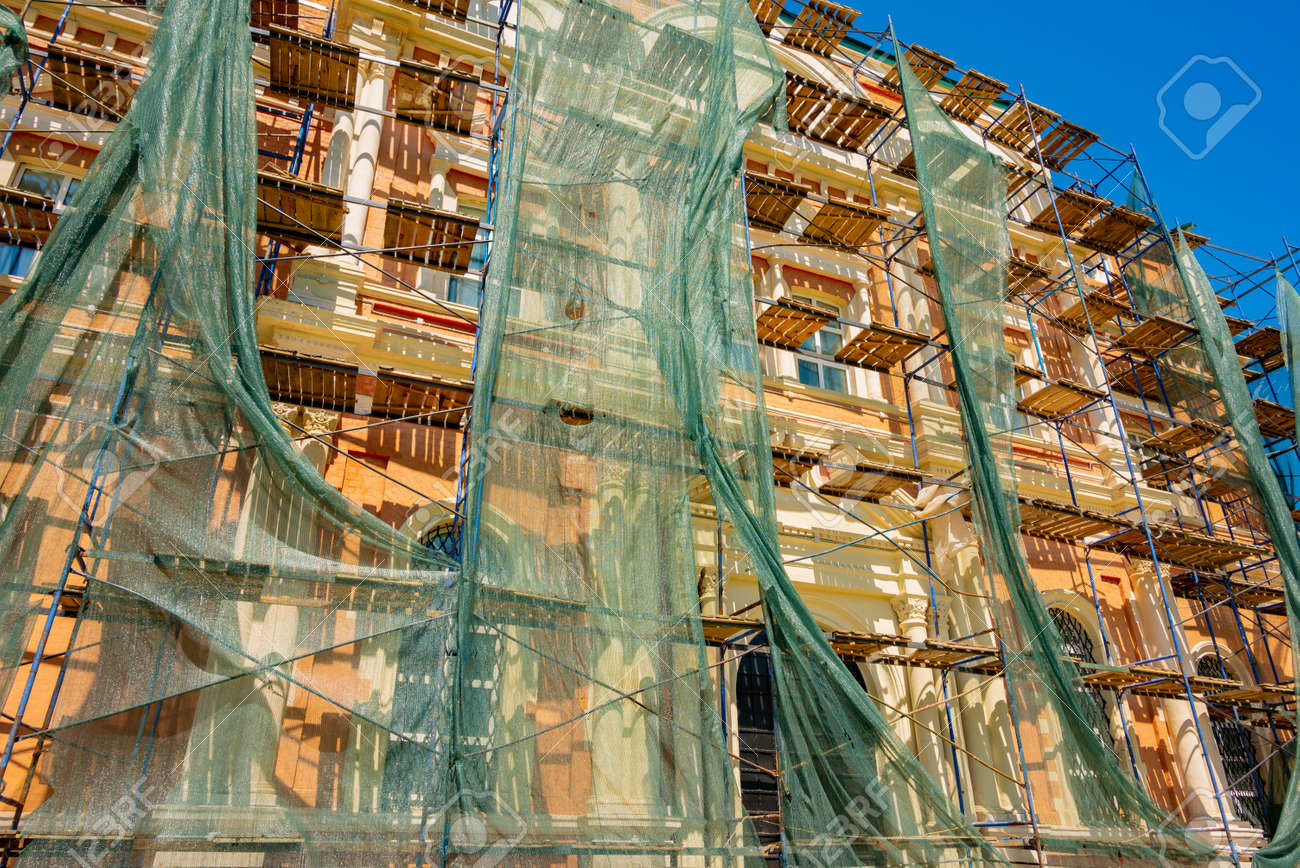
Scaffold mesh is a lightweight, perforated barrier fixed to scaffolding to reduce falling debris, improve site containment, and limit wind-driven dust. From the moment scaffold mesh is installed, its purpose is clear: it wraps around a structure and helps keep the work zone safer and more controlled.
Most scaffold mesh products are made from knitted HDPE (high-density polyethylene) with reinforced edges and eyelets for secure tying. Scaffold mesh is typically sold by “shade factor” or “wind permeability,” but its primary function is site protection, not gardening shade.
What is shade cloth?
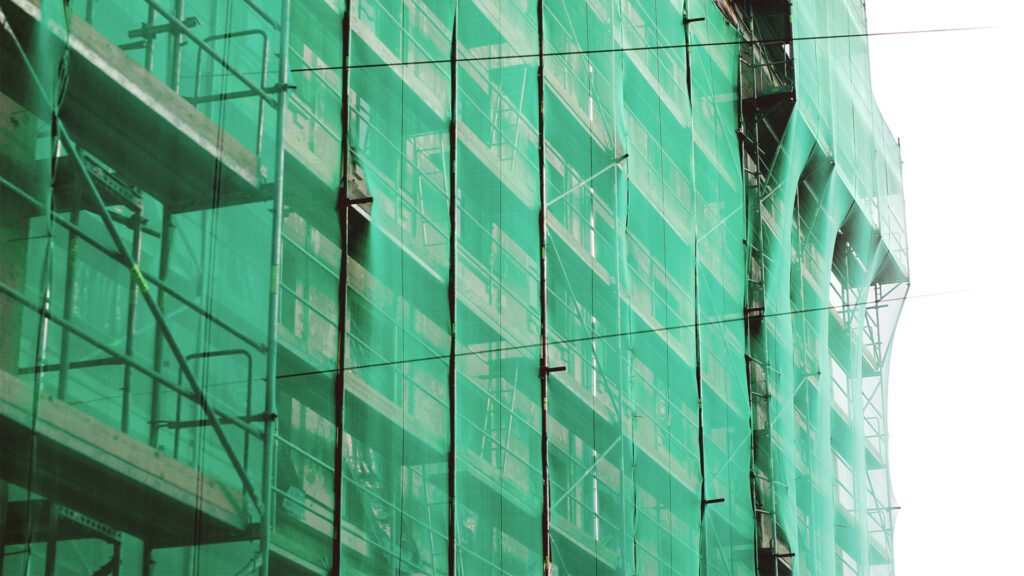
Shade cloth is a fabric designed to reduce sunlight and heat reaching an area, often for gardens, patios, greenhouses, or livestock spaces. Its purpose shows up immediately: it makes a space cooler and reduces plant stress without fully blocking airflow.
Like scaffold mesh, shade cloth is commonly made from HDPE and comes in different shade percentages. The big difference is that shade cloth is chosen for predictable light reduction, not for catching debris or enclosing a construction site.
How do their primary uses differ?
Scaffold mesh is typically chosen for safety, compliance, and containment on construction and renovation projects. Shade cloth is typically chosen for solar control, temperature management, and plant or people comfort.
If a site manager needs to reduce dust migration and improve edge protection, scaffold mesh fits the goal. If a property owner needs to cut harsh sun over a pergola or protect seedlings, shade cloth fits the goal.
How do they differ in material and weave?
Both products are often HDPE, but their knit patterns and finishing tend to reflect different priorities. Scaffold mesh is commonly a tighter, more durable knit with reinforced hems, extra stitching, and frequent eyelets to handle repeated fastening to frames.
Shade cloth can be durable too, but it is usually optimized for consistent shade rating and UV stability rather than edge strength for tie-on points every few inches. Many shade cloths are finished with taped edges, webbing, or simple hems depending on grade.
How does “shade percentage” compare between them?
Shade cloth is normally marketed by shade percentage because that is what buyers care about, such as 30%, 50%, 70%, or 90%. Those numbers are used to match plant types and comfort needs.
Scaffold mesh may also be described with a “shade factor,” but the number can be less useful as a buying guide for gardening or patios. Two meshes with similar shade percentages can behave very differently for dust, tear resistance, and how they fasten.
Which one performs better in wind?
Scaffold mesh is designed to be used on exposed structures, so it is usually engineered to let enough air pass through to reduce sail effect. Even then, wind loading still matters, and correct fixing patterns are critical.
Shade cloth can act like a sail if it is stretched wide without venting or if the shade rating is high and the knit is tight. For windy sites, they usually need stronger framing, more frequent fixings, or a lower shade percentage to reduce lift.
Which is better for dust and debris control?
Scaffold mesh is the better pick for dust and light debris containment because that is one of its core jobs. It can help reduce nuisance dust leaving the site and can catch small fragments, especially when installed with overlap and proper tension.
Shade cloth is not typically rated or intended for debris capture. They can stop some particles, but relying on it for construction containment is risky, especially if the edges and tie points are not reinforced for that kind of stress.
Which one lasts longer outdoors?
Both can last years outdoors if they are UV-stabilized, but lifespan depends on grade, exposure, and how they are installed. Scaffold mesh often faces harsher abrasion from scaffolding, corners, and repeated tie-on, so premium mesh tends to emphasize tear resistance and reinforced edges.
Shade cloth, when used as a fixed canopy or greenhouse cover, can also degrade if it flaps in the wind or rubs on sharp frames. A well-tensioned install with smooth contact points usually extends life for either product.
Can they be swapped for each other?
They can sometimes substitute in short-term, low-risk situations, but it is rarely a perfect swap. Shade cloth might work as a temporary privacy screen on a fence, and scaffold mesh might provide some shade over a small area.
The risk is using the wrong product where performance matters. If they need predictable solar reduction for plants, shade cloth is the safer choice. If they need site containment or a scaffold-specific fastening layout, scaffold mesh is the safer choice.
What should they consider before choosing?
They should start with the job, not the look. If the priority is containment, edge strength, and frequent fixing, scaffold mesh is usually the right tool. If the priority is cooler temperatures, controlled light, and plant or people comfort, shade cloth is usually the right tool.
They should also check local requirements for construction screening, fire performance where relevant, and how the product will be fixed. The best fabric can fail fast if it is under-fixed, over-tensioned, or rubbing on sharp edges.
How can they make the final decision quickly?
They can decide in two questions: “Is this mainly for a worksite barrier?” and “Do they need a reliable shade percentage for living spaces or plants?” If it is a worksite barrier, scaffold mesh is the default. If it is a living or growing space, shade cloth is the default.
When in doubt, they should ask suppliers for technical specs like weight (GSM), UV stabilization, edge reinforcement details, and intended application. Those details reveal whether the product was built to contain a site or to manage sunlight.
FAQs (Frequently Asked Questions)
What is the primary purpose of scaffold mesh?
Scaffold mesh is primarily designed as a lightweight, perforated barrier fixed to scaffolding to reduce falling debris, improve site containment, and limit wind-driven dust, enhancing safety and control on construction sites.
How does shade cloth differ from scaffold mesh in terms of use?
Shade cloth is mainly used for sun control and comfort, reducing sunlight and heat in areas like gardens, patios, greenhouses, or livestock spaces to make environments cooler and reduce plant stress without fully blocking airflow.
What materials and construction differences exist between scaffold mesh and shade cloth?
Both are commonly made from HDPE, but scaffold mesh features a tighter, more durable knit with reinforced hems and frequent eyelets for secure fastening on scaffolding. Shade cloth focuses on consistent shade rating and UV stability with finishes like taped edges or simple hems suited for sun protection rather than heavy-duty containment.
How do shade percentages compare between scaffold mesh and shade cloth?
Shade cloth is marketed by precise shade percentages (e.g., 30%, 50%, 70%, 90%) to match specific plant or comfort needs. Scaffold mesh may also have a ‘shade factor,’ but this number is less indicative of performance for gardening or patios since its main function is site containment rather than predictable light reduction.

Which product performs better in windy conditions?
Scaffold mesh is engineered to allow sufficient airflow to reduce sail effect on exposed structures, making it more suitable for windy construction sites when properly installed. Shade cloth can act like a sail if stretched wide without venting or at high shade ratings, requiring stronger framing or lower shade percentages to withstand wind pressures.
Can scaffold mesh and shade cloth be used interchangeably?
While they can sometimes substitute each other in short-term or low-risk scenarios (e.g., shade cloth as a temporary privacy screen or scaffold mesh for minor shading), they are not perfect substitutes. Using the wrong product where performance matters risks failure; scaffold mesh should be chosen for site containment and safety, while shade cloth is best for reliable solar reduction in living or growing spaces.
Related : Reobars in Residential Construction: 6 Key Applications