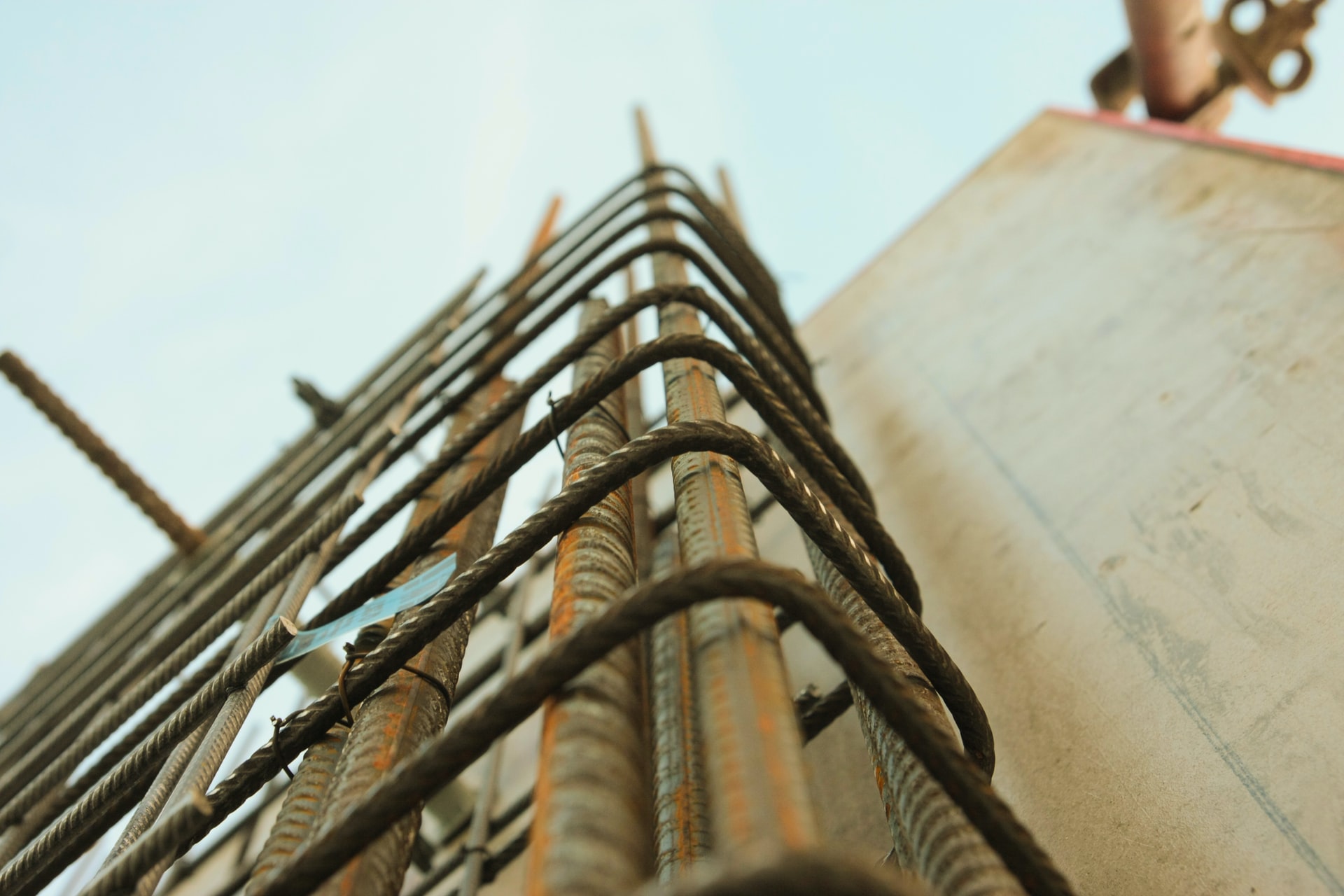
Below are six common, high-impact residential applications and what they typically achieve.
Why do reobars matter in a home’s structure?
They strengthen concrete where it would otherwise crack under tension, temperature swings, or uneven soil movement. In residential builds, that often means fewer structural defects, better load transfer, and longer service life for slabs, walls, and supports.
They also make repairs less likely and help concrete components behave more predictably over time.
Where are reobars used in footings and foundations?
Reobars are placed in continuous footings and foundation beams to handle bending from soil pressure and building loads. In many homes, Reobars are formed into cages or set as longitudinal bars with ties to help keep footings intact when soils shift or when loads concentrate under walls and columns.
Reobars are also used at corners and transitions, where cracking risk is highest.
How do reobars reinforce slab-on-grade floors?
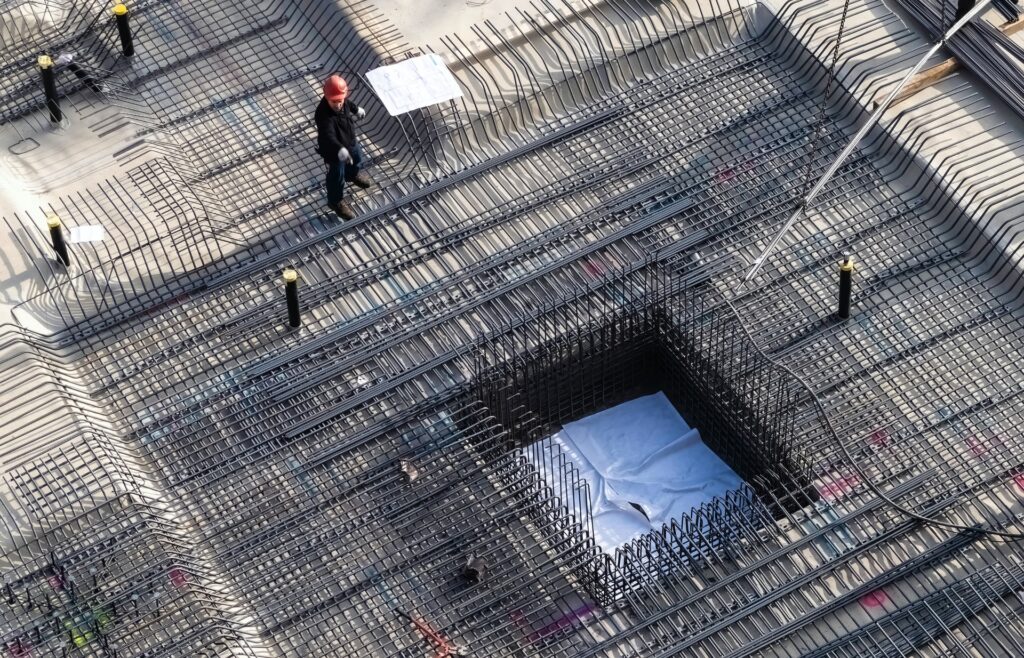
They reduce shrinkage cracking and improve the slab’s ability to carry point loads from cabinets, partitions, appliances, and vehicles in attached garages. Builders commonly use rebar grids, rebar mats, or a combination of rebar and fiber reinforcement depending on design and soil conditions.
They are especially useful at thickened slab edges and around openings.
Why are reobars critical in basement walls and retaining walls?
They resist lateral pressure from soil and groundwater that can push walls inward. In basement and retaining walls, vertical and horizontal rebar works together to control cracking and improve the wall’s flexural strength.
They also help at wall-to-footing connections, where forces concentrate and leaks can develop if cracking occurs.
How are reobars used around openings, corners, and stress points?
They provide localized reinforcement where concrete is most likely to crack, such as window and door openings, re-entrant corners, and utility penetrations. Builders often add extra bars, diagonal corner bars, or formed detailing to spread stress and reduce crack propagation.
They also strengthen transitions between different concrete thicknesses.
Where do reobars support columns, beams, and lintels in homes?
They form the backbone of reinforced concrete columns, grade beams, and lintels over openings. In these elements, rebar carries tensile forces while concrete handles compression, allowing the component to span openings and support loads safely.
Ties and stirrups also help prevent shear failure and keep main bars properly positioned.
How do reobars improve outdoor concrete like driveways, patios, and steps?
They help exterior slabs and stairs resist cracking from freeze-thaw cycles, temperature changes, and soil movement. In driveways, reinforcement can reduce edge breaks and panel movement under vehicle loads, especially where subgrade compaction varies.
They are also used in steps and stoops to limit cracking at nosings and landings.
What should they watch for when specifying or installing reobars?
They should ensure correct bar size, spacing, and placement based on local code and engineered plans. Proper concrete cover is key, since bars placed too close to the surface can corrode, while bars set too deep may not control cracking effectively.
They should also avoid muddy trenches, poor tying, and unsupported bars that shift during the pour, since placement quality often matters as much as the steel itself.
FAQs (Frequently Asked Questions)
Why are rebars essential in residential concrete structures?
Rebars, or reinforcing bars, strengthen concrete where it would otherwise crack under tension, temperature changes, or uneven soil movement. In homes, they reduce structural defects, enhance load transfer, and extend the service life of slabs, walls, and supports, making repairs less likely and ensuring predictable concrete behavior over time.
How are rebars used in footings and foundations to improve durability?
In footings and foundation beams, rebars handle bending caused by soil pressure and building loads. Rebar cages or longitudinal bars with ties are placed to keep footings intact during soil shifts or concentrated loads under walls and columns. They are especially important at corners and transitions where cracking risk is highest.
What role do rebars play in slab-on-grade floors in residential buildings?
Rebars reduce shrinkage cracking and enhance a slab-on-grade floor’s ability to carry point loads from cabinets, partitions, appliances, and vehicles in attached garages. Builders use rebar grids or mats—sometimes combined with fiber reinforcement—particularly at thickened slab edges and around openings to improve strength. Learn more about : Scaffold Mesh vs Shade Cloth: What’s the Difference?
Why is rebar reinforcement critical in basement and retaining walls?
Rebars resist lateral pressure from soil and groundwater that can push walls inward. Vertical and horizontal rebar work together to control cracking and boost flexural strength in basement and retaining walls. They also reinforce wall-to-footing connections where forces concentrate and leaks may develop if cracks form.
How do rebars reinforce stress points like openings, corners, and transitions in concrete?
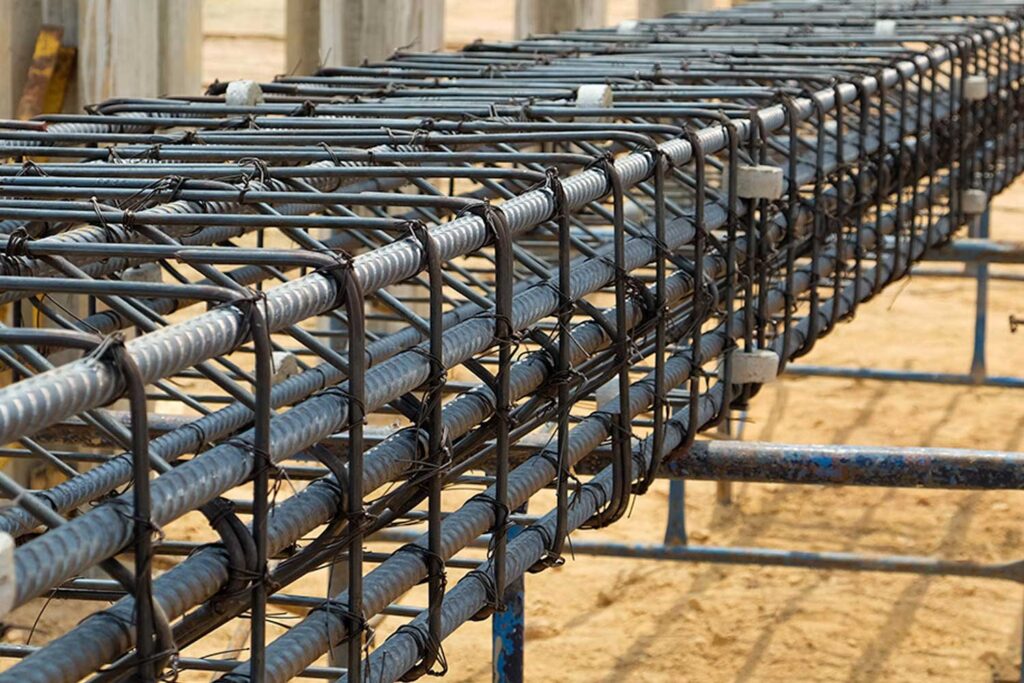
Rebars provide localized reinforcement at high-stress areas such as window and door openings, re-entrant corners, utility penetrations, and transitions between different concrete thicknesses. Extra bars, diagonal corner bars, or formed detailing help spread stress evenly and reduce crack propagation in these vulnerable zones.
What best practices should builders follow when specifying or installing rebars?
Builders should ensure correct bar size, spacing, and placement per local codes and engineered plans. Proper concrete cover is vital to prevent corrosion from bars too close to the surface while maintaining effective crack control. Avoiding muddy trenches, poor tying, or unsupported bars that shift during pouring is crucial since installation quality impacts overall reinforcement performance.